
The Ultimate Guide to Safe and Effective Teeth Whitening
A brighter smile can boost confidence, and choosing the right approach is what makes it last. If you’re considering teeth whitening in Lewisville, TX, this guide breaks down your options with practical, patient-friendly advice. We’ll cover how each method works, why stains happen, how to prep, and simple ways to manage sensitivity, so results look natural and hold up.
Comparing Teeth Whitening Treatments: Your Options Explained
Methods vary. Knowing the differences sets realistic expectations.
- Whitening toothpaste and rinses: These remove surface stains with gentle abrasives or polishing agents. They don’t change tooth color, but can help maintain results after a stronger treatment.
- Whitening strips and paint-on gels: Widely available and convenient. The active ingredient is usually carbamide or hydrogen peroxide in a lower concentration. Expect gradual improvement over several weeks.
- Custom take-home trays from a dental office: Trays are fitted to your bite so the gel stays where it belongs and off your gums. Because the fit is precise, many patients achieve even whitening with fewer touch-ups.
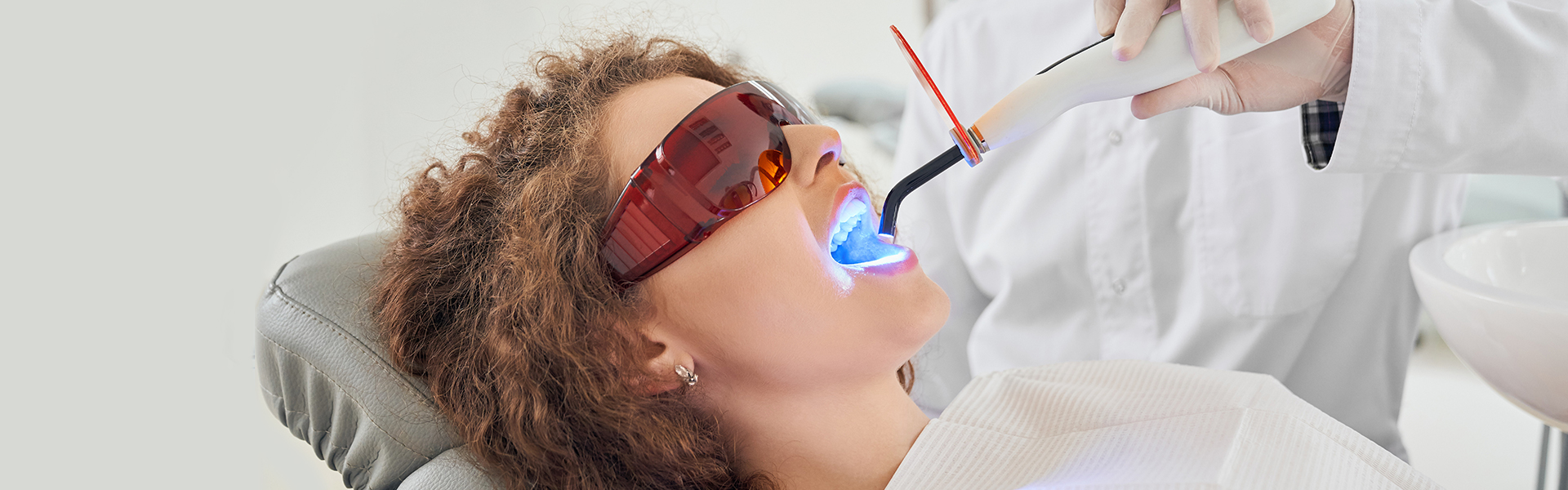
- In-office whitening: A dentist applies a higher-strength gel for controlled, efficient results in one or two visits. Lights or heat may be used to activate the gel, but the gel concentration and careful isolation of tissues are the main reasons for faster change.
- Targeted refinements: Some patients have darker canines or uneven shade bands. Dentists can spot-treat to balance the overall look.
You may also see teeth bleaching used interchangeably with whitening; in dentistry, it simply means peroxide-based lightening beyond the natural shade.
Common Causes of Tooth Discolouration and Staining
Tooth color shifts for many reasons, some you can control, others you can’t.
- Foods and drinks: Coffee, tea, red wine, and dark berries carry chromogens that cling to enamel.
- Tobacco use: Nicotine and tar create stubborn brown or yellow areas that build up over time.
- Aging: Enamel thins as we get older, revealing more of the dentin beneath, which is naturally darker.
- Medications and conditions: Certain antibiotics in childhood, fluorosis, and trauma can cause deeper, intrinsic changes.
- Oral hygiene: Plaque and tartar hold pigments, amplifying stains.
If you notice yellow-stained teeth, a dental exam can confirm whether stains are external (often polish/whiten well) or internal (may need microabrasion, bonding, or veneers).
Professional In-Office Whitening vs. At-Home Kits: Which Is Better?
Both can be safe and effective when used correctly. The biggest differences are control and speed.
- In-office treatments deliver quicker, more noticeable changes thanks to higher-strength gels and expert isolation of your gums and lips. Shade changes are monitored in real time, and problem areas can be handled on the spot.
- At-home kits, especially custom trays from your dentist, offer flexibility and a gradual shift. They’re great for maintaining results or for those who prefer slower, subtle change.
Patients who want a predictable outcome, have a big event soon, or have complex staining patterns often benefit most from professional teeth whitening. Those who prefer a slower pace may start with custom trays and schedule a brief in-office session for a final boost.
How to Prepare Your Teeth Before Whitening Treatment
A little prep leads to better, longer-lasting results:
- Schedule a checkup and cleaning: Whitening works best on plaque-free enamel, and untreated decay or leaky fillings should be addressed first.
- Discuss existing restorations: Crowns, veneers, and bonding won’t lighten; plan for shade matching or future replacement if needed.
- Use a desensitizing toothpaste: Start two weeks before treatment to calm reactive nerves and improve comfort. Look for potassium nitrate or stannous fluoride.
- Pause stain-heavy habits: Cut back on coffee, tea, red wine, and tobacco before and after sessions to minimize rebound staining.
- Set realistic goals: Your dentist can show a shade guide so you’ll know what’s achievable for your enamel and timeline.
The Role of Sensitivity in Teeth Whitening and How to Manage It
Brief sensitivity during or after whitening is common and usually temporary. It occurs when peroxide finds microscopic pathways in enamel and briefly stimulates the dentin beneath. You can manage it with:
- Shorter or fewer sessions: Break treatments into smaller intervals, especially at first.
- Lower concentrations: Opt for a gentler gel if you’ve had sensitivity in the past.
- Desensitizing products: Desensitizing support: potassium nitrate or arginine pastes and fluoride varnish calm nerves and reinforce enamel.
- Precise tray fit: Custom trays limit gel contact with the gums, reducing irritation.
- Smart aftercare: Avoid very hot or cold foods for 24–48 hours and maintain great home care to protect results.
If sensitivity lingers or spikes, pause treatment and check with your dentist; most patients resume comfortably with small adjustments.
Final Thought
A brighter smile should feel comfortable, look natural, and fit your lifestyle. If you’re weighing options, a cosmetic dentist in Lewisville can tailor a plan that balances speed, comfort, and longevity. For a friendly, evidence-based approach and careful shade matching, schedule a consultation with Arte Dental & Orthodontics Lewisville, and step into photos, meetings, and milestones with renewed confidence.