
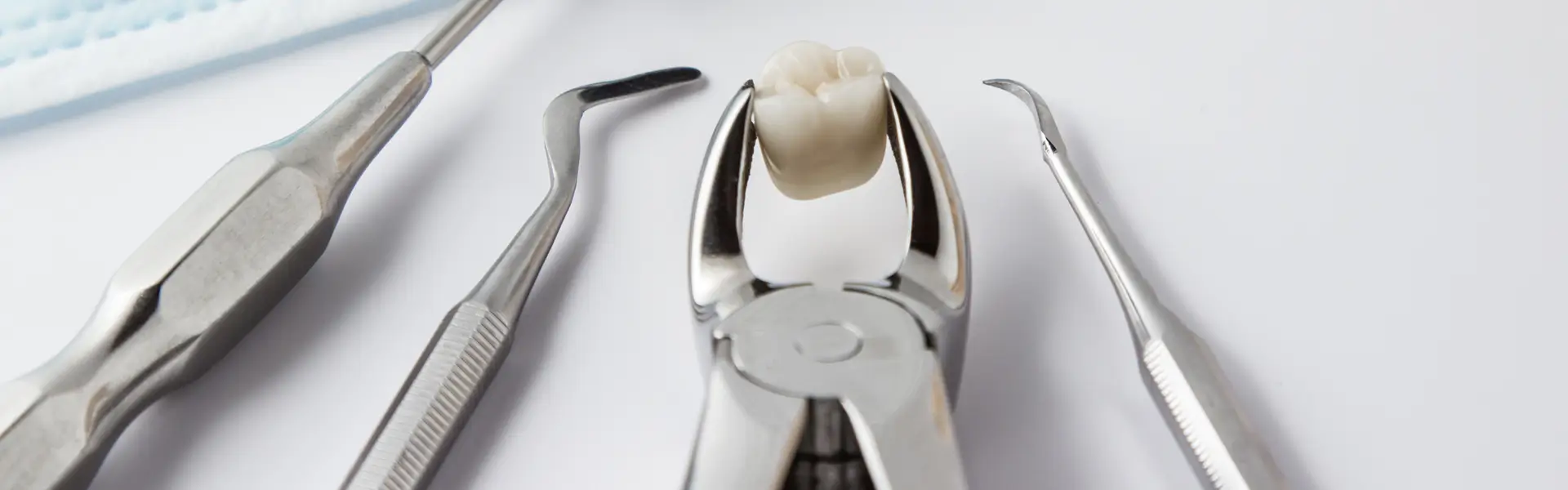
Tooth Extraction Complications and How You Can Avoid Them
When considering tooth extraction in Lewisville, TX, many patients worry about possible complications. While modern dental techniques make extractions safe and predictable, any surgical procedure carries some level of risk. Understanding potential post-operative risks and following proper care instructions can significantly lessen the likelihood of complications. Whether the extraction is planned or performed urgently, informed aftercare plays a critical role in healing.
Common Tooth Extraction Complications
Most extractions heal without difficulty. However, certain complications may develop in some cases. These can include:
- Dry socket
- Prolonged bleeding
- Infection
- Swelling beyond expected levels
- Nerve irritation (rare)
Dry socket is one of the more well-known concerns. It takes place when the protective blood clot at the extraction site dislodges too early, exposing underlying bone. This can cause significant discomfort a few days after the procedure.
Risks may increase when removing an impacted tooth, particularly wisdom teeth, because the procedure often requires deeper surgical access.
Causes of Complications After Tooth Extraction
Post-operative issues often result from individual risk factors rather than the extraction technique itself. Common contributing causes include:
- Smoking or tobacco use
- Poor oral hygiene
- Excessive rinsing too soon after surgery
- Underlying health conditions
- Failure to follow post-procedure instructions
Removing a severely inflamed tooth may increase the likelihood of post-operative swelling, particularly when the condition was advanced before treatment. That said, appropriate care and prescribed medications typically support recovery.
In urgent cases requiring emergency tooth extraction, existing swelling or trauma may affect recovery time.
Signs and Symptoms of Post-Extraction Problems
After extraction, mild swelling and tenderness are expected. However, certain symptoms should prompt attention:
- Severe pain that worsens after a few days
- Persistent bleeding beyond 24 hours
- Fever
- Foul taste or odor
- Visible bone in the socket
Recognizing these symptoms promptly helps prevent additional complications. A qualified Lewisville dentist can evaluate symptoms and provide appropriate management if healing does not progress normally.
Infection After Tooth Extraction
Infection may develop if bacteria enter the socket before tissue healing begins. Although uncommon with proper sterile technique and aftercare, it remains a possible complication.
Symptoms may include:
- Increasing pain instead of gradual improvement
- Swelling that spreads
- Pus discharge
- Fever or chills
Prompt professional evaluation ensures that the infection is treated quickly, often with antibiotics and site cleaning if needed.
Maintaining oral cleanliness while protecting the clot requires careful attention during the initial recovery phase.
How to Reduce Swelling and Pain
Swelling usually peaks within 48 hours and then gradually subsides. Patients can support comfort by:
- Applying a cold compress intermittently during the first day
- Keeping the head elevated while resting
- Taking prescribed or recommended pain medication as directed
- Avoiding strenuous physical activity for several days
Pain is typically manageable when post-operative instructions are followed carefully. Overexertion, vigorous rinsing, or using straws may disrupt healing.
Proper Aftercare to Avoid Complications
Post-operative care directly influences the healing process. The following measures significantly lower the likelihood of issues:
- Bite gently on gauze to control bleeding.
- Avoid smoking for several days.
- Eat soft foods and control chewing near the site.
- Refrain from aggressive rinsing for the first 24 hours.
- Maintain gentle brushing away from the area.
After the initial healing phase, saltwater rinses may support cleanliness. Following provider instructions carefully helps maintain clot stability and tissue repair.
At Arte Dental & Orthodontics Lewisville, patients receive individualized instructions designed to support stable healing and reduce potential risks.
The Link Between Teeth Cleanings and Overall Health
Although extractions are sometimes necessary, preventive care reduces the likelihood of requiring removal in the first place. Routine professional cleanings help eliminate plaque and tartar that contribute to decay and gum disease.
Preventive care also supports overall health by reducing oral bacterial accumulation, which research has linked to certain systemic inflammatory conditions.
By prioritizing oral hygiene and scheduled examinations, many extraction-related concerns can be avoided altogether.
Final Thoughts
Tooth extractions are common procedures, and most heal without complications when performed under appropriate conditions and followed by careful aftercare. While concerns such as dry socket, infection, or swelling can occur, following preventive measures significantly lowers their likelihood.
If symptoms feel unusual or worsen instead of improving, seeking professional evaluation ensures that concerns are addressed promptly. With proper preparation and responsible recovery practices, healing after extraction is typically smooth and predictable.